
The C64 version of Taito‘s classic arcade game, Qix, was developed by Threshold Research and published in 1989 – in North America only – by Taito themselves. Continue reading Qix, Commodore 64
Tag Archives: 1989

Shinobi, ZX Spectrum
The ZX Spectrum version of Sega‘s classic Shinobi was developed by Binary Design for The Sales Curve and published by Virgin Games in 1989. It is a relatively loose approximation of the arcade game, but is nonetheless playable and enjoyable.

Shinobi, NES
The 1989 NES version of Sega‘s Shinobi was converted and published by Tengen, in North America only. Why the game wasn’t released in Japan, I don’t know. Maybe because Sega didn’t think it was good enough?
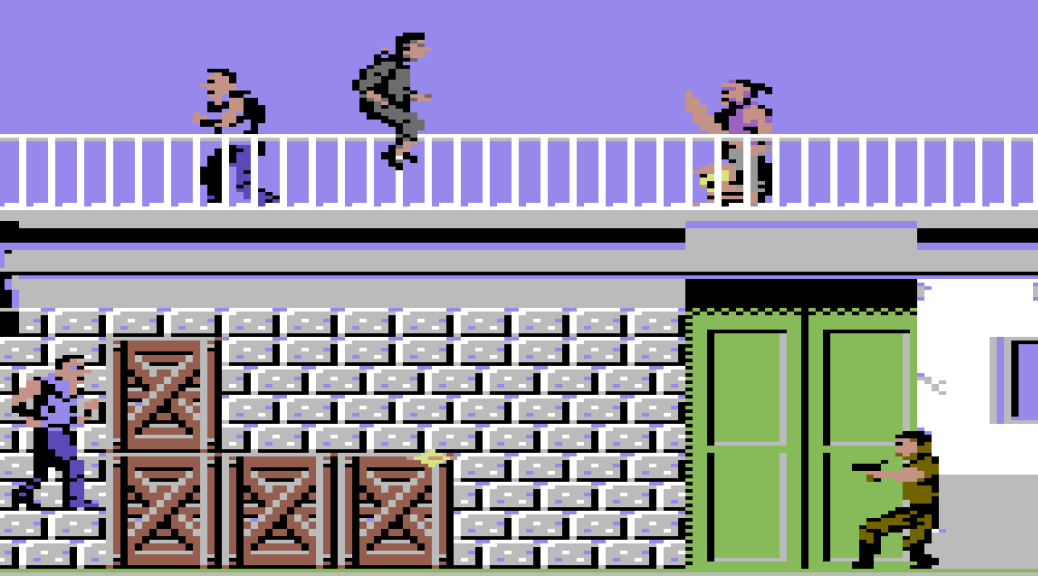
Shinobi, Commodore 64
The Commodore 64 version of Sega‘s classic Shinobi was developed by The Sales Curve and first published by Virgin Games in 1989. And – while it is a decent conversion in terms of presentation and playability – it is arguably even harder than the arcade original, which can make it extremely frustrating to play at times.
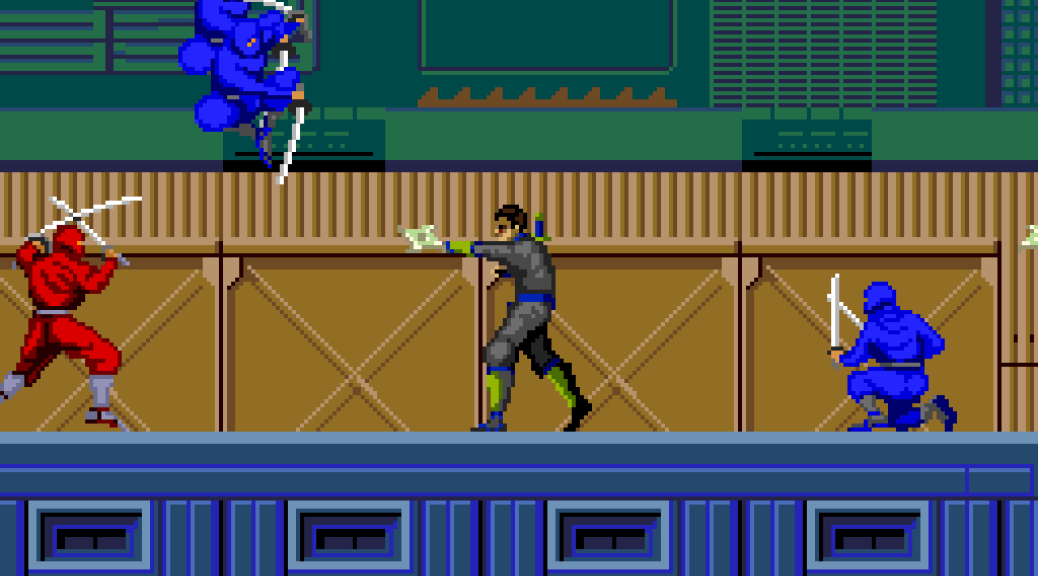
Shinobi, PC Engine
The PC Engine version of Sega‘s Shinobi was developed and published by Asmik Corporation in 1989, and it features some interesting changes to the arcade version.
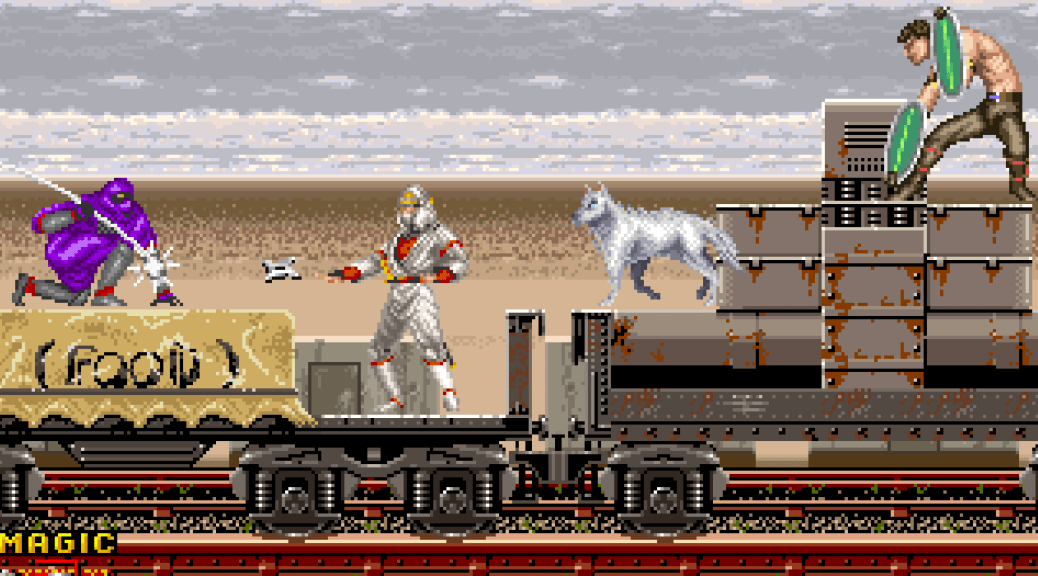
Shadow Dancer, Arcade
Sega‘s arcade game, Shadow Dancer, is the sequel to 1987’s arcade hit, Shinobi. It is the second (and final) arcade game in the Shinobi series, and was first distributed into arcades in 1989.

The Revenge of Shinobi, Megadrive/Genesis
The Revenge of Shinobi (known in Japan as “The Super Shinobi“) is the 1989 Megadrive/Genesis sequel to the classic Sega arcade game. It once again features Joe Musashi, and takes place three years after the events of the first game. The criminal organization “Zeed” have reformed and have renamed themselves “Neo Zeed“, and they have decided to exact their revenge on the Oboro Ninja Clan by killing Joe’s master and kidnapping his bride, Naoko. So you must rescue your fiancée, and get revenge for the death of your master.
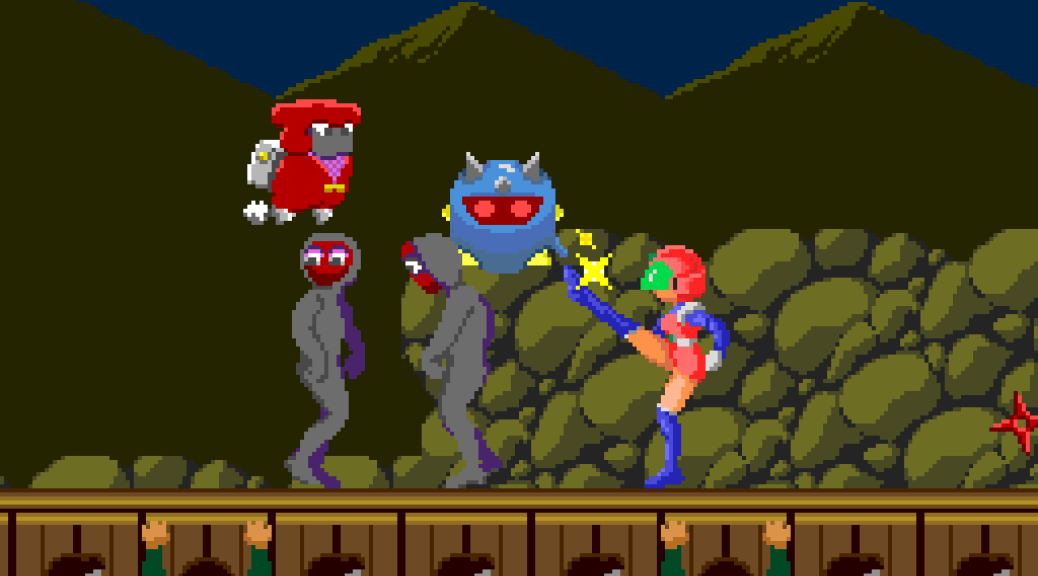
Wonder Momo, PC Engine
Developed by Namco and published – in Japan only – by NEC Avenue in 1989, Wonder Momo is a conversion of a weird Japanese arcade game featuring a female lead character who must fight off attackers during a theatre stage play. And, if that sounds bizarre, then – well – that’s because it is! Unlike the arcade original, the PC Engine version of Wonder Momo has been fan-translated into English and Spanish, so is more accessible to Western audiences.
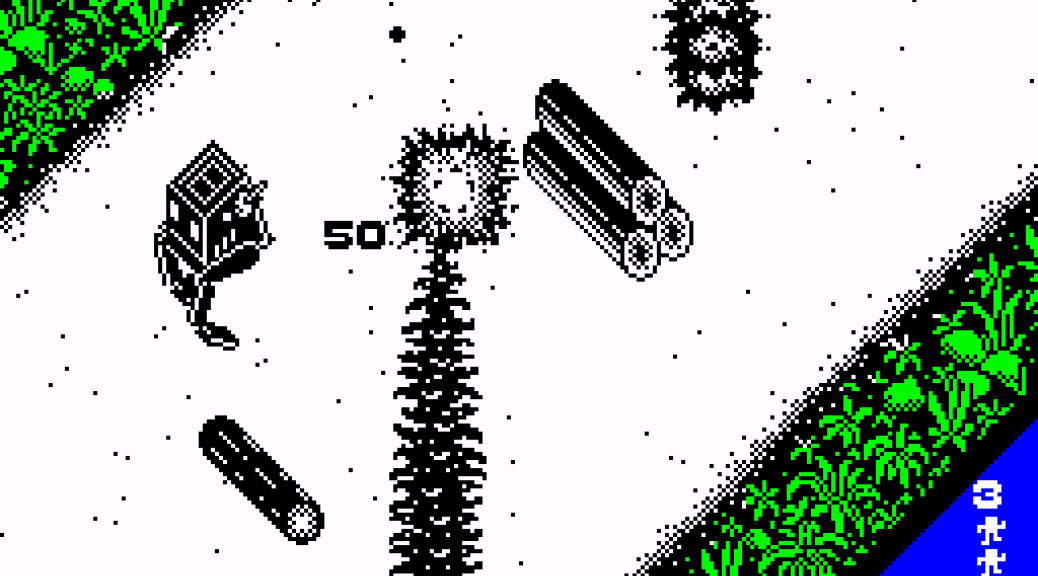
Return of the Jedi, ZX Spectrum
Developed by Consult Computer Systems and published by Domark in 1989, the ZX Spectrum port of Atari‘s Return of the Jedi is an okay attempt to bring the fair-to-middling arcade game to Sinclair‘s diminutive home computer.

RoboCop, PC
The 1989 MS-DOS version of RoboCop is part conversion of the Data East arcade game, and partly does it own thing, with level structures that connect rooms above and below, with staircases that instantly flip the screen, rather than scroll it. The majority of levels do scroll horizontally, though, although the scrolling is very jerky.
 The King of Grabs