
Dun Darach is the 1985 sequel (actually prequel) to Tir Na Nog, written by Greg Follis and Roy Carter and again featuring the expressive Cuchulainn – the long-haired man who is not afraid to walk around with his shirt off…
Tag Archives: influential

Sonic & Knuckles, Megadrive/Genesis
Developed by Sega and released for the Megadrive/Genesis in 1994, Sonic & Knuckles is a spin-off from the main Sonic series and the sequel to Sonic 3, this time with Knuckles the Echidna as your sidekick.

Sonic the Hedgehog 3, Megadrive/Genesis
Sonic the Hedgehog and Miles “Tails” Prower return in 1994‘s Sonic the Hedgehog 3 – a game with a new graphical style, and a – thankfully – fixed two-player mode.

Sonic CD, Sega CD
Released exclusively for the Sega CD in 1993, Sonic CD is arguably the best game in the entire Sonic the Hedgehog series. It came out between Sonic 2 and Sonic 3.

Sonic the Hedgehog 2, Megadrive/Genesis
Released in 1992, one year after the classic Sonic the Hedgehog, Sonic the Hedgehog 2‘s big contribution to the series was the introduction of two-player games of Sonic. It was also a Japanese/American co-production this time, by Sega Technical Institute.
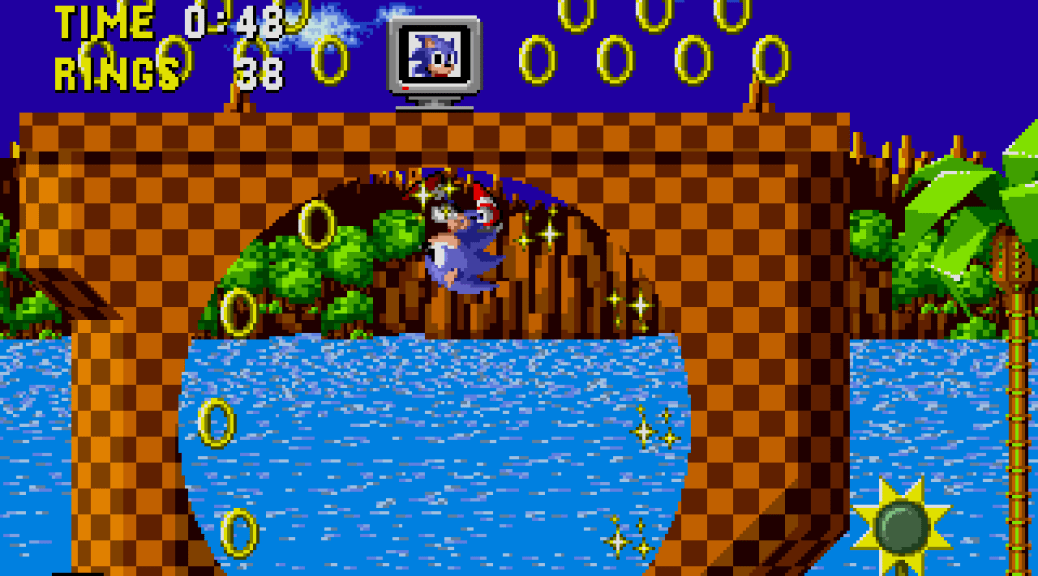
Sonic the Hedgehog, Megadrive/Genesis
When Sega bigwigs asked their talented designers to create a video game character that would become the company mascot, the designers rubbed their chins for a while, then came up with a blue hedgehog, called Sonic.
In fact, the designers were so enamoured with their new creation that they changed their name to Sonic Team as they developed the game.
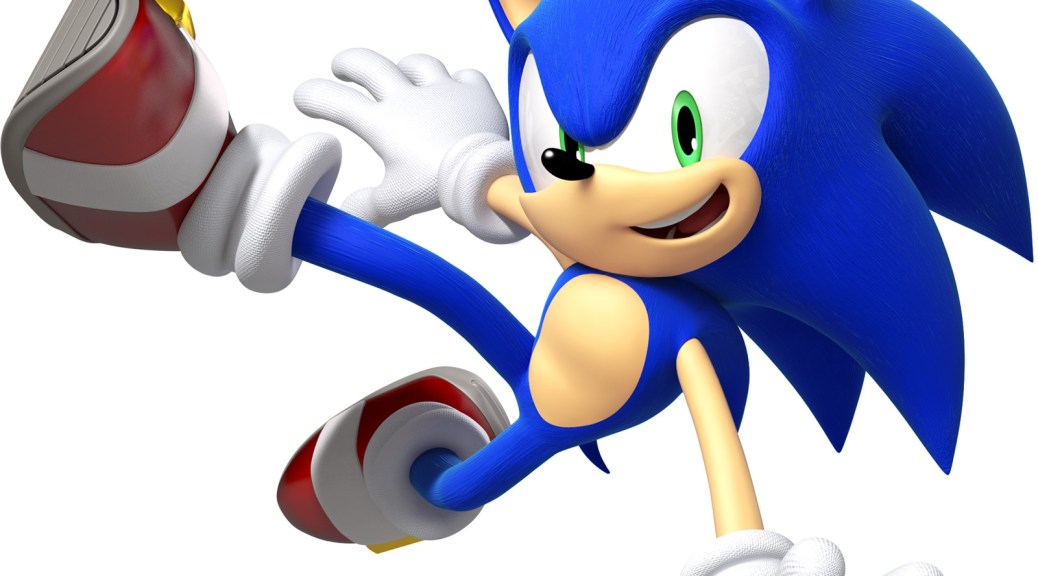
Sonic the Hedgehog Special
This week I’m going to be featuring all the early Sonic the Hedgehog games on the blog.
They’re all Megadrive/Genesis games, except for one on the Sega CD. And they’re all classics, and deserve a set of grabs, showing just show beautiful and colourful they are. And, of course, a few words about what makes them good.
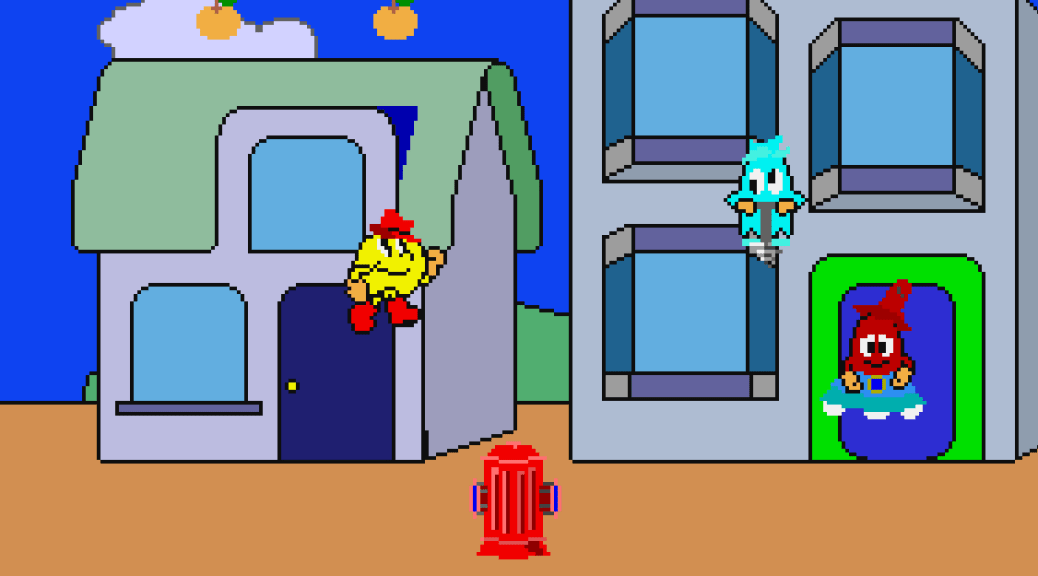
Pac-Land, Arcade
Developed by Namco and released into arcades in 1984, Pac-Land is a departure for the Pac-Man series because this time it’s a platform game. And a pretty good one at that.

Jr. Pac-Man, Arcade
Manufactured by Bally Midway in 1983, Jr. Pac-Man is another sequel to the smash hit, dot-eating maze game, Pac-Man, created by Namco in 1980.
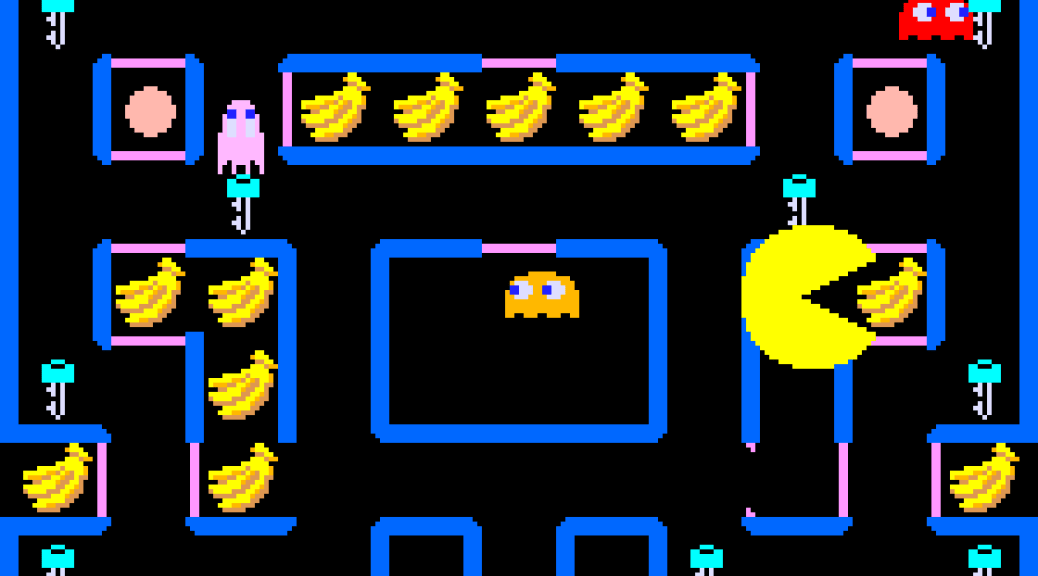
Super Pac-Man, Arcade
Unlike Ms. Pac-Man and Jr. Pac-Man, Super Pac-Man was developed by Namco themselves in 1982, so could be considered the first ‘official’ sequel to Pac-Man.
The fact is: it is arguably inferior to both the aforementioned Midway Pac-Man games, which is a little embarrassing. That said: it is still a decent game in its own right; maybe not quite as ‘pure’ or ‘hardcore’ as Ms. Pac-Man and Jr. Pac-Man, but good nonetheless.
 The King of Grabs