
The Acorn Archimedes is a family of home computers designed by Acorn Computers of Cambridge, England. The systems are based on Acorn‘s ARM RISC (Reduced Instruction Set Computer) architecture with a 32-bit CPU (using 26-bit addressing) and were manufactured from 1987 until the mid-1990s.
Tag Archives: screenshots
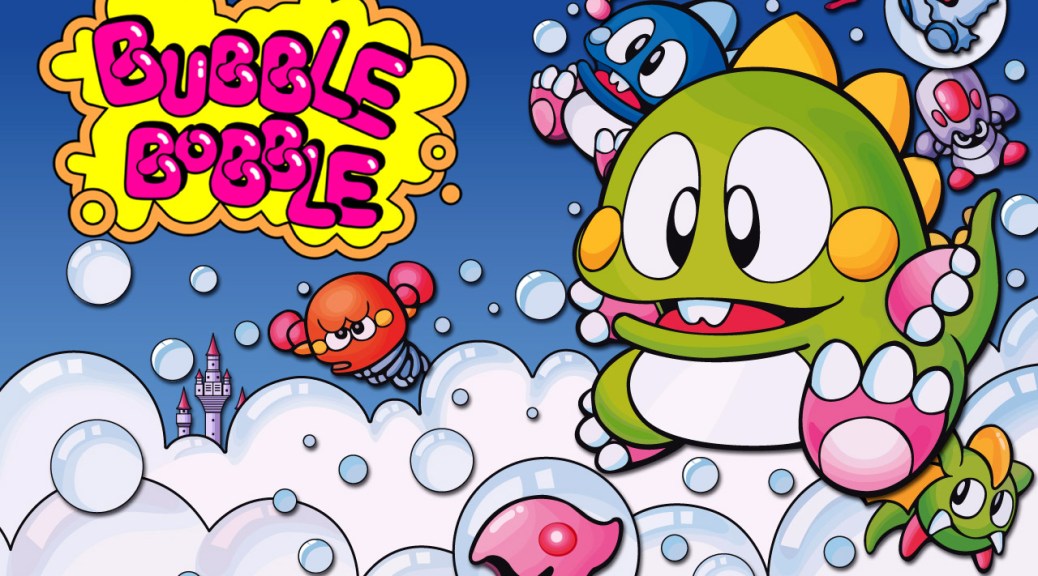
10 Best Bubble Bobble Conversions
LISTS: as decided by The King of Grabs, in order of greatness:
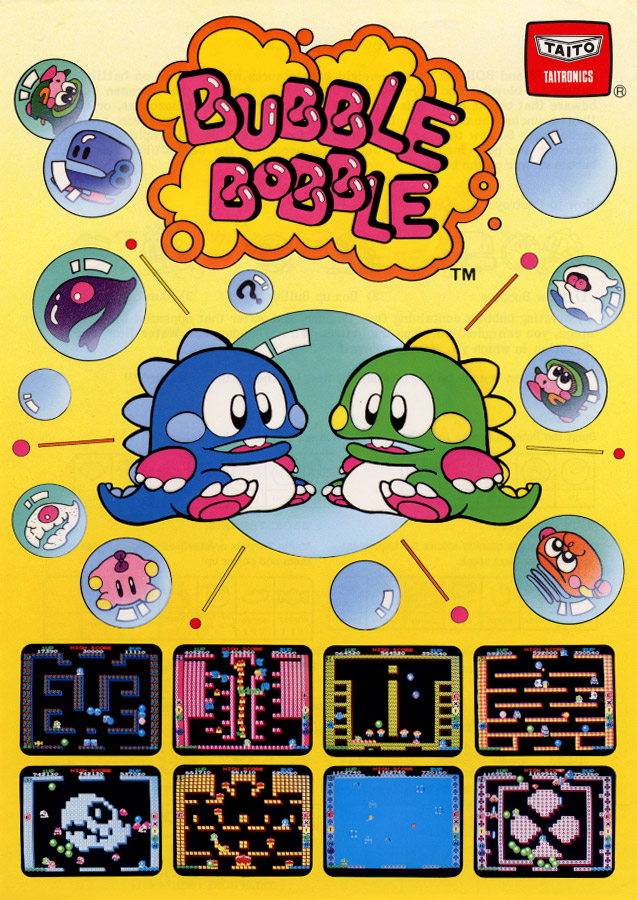
Taito‘s classic 1986 arcade hit, Bubble Bobble, has been converted to pretty much every format on the planet. We played through them all recently and have compiled a list of the best. Click a link to view each conversion individually. Do you agree with our choices? Let us know in the comments.
1. Sega Saturn (1996)
2. Nintendo DS (2005)
3. Game Boy Advance (2003)
4. X68000 (1990)
5. FM Towns (1990)
6. Sega Master System (1988)
7. NES/Famicom Disk System (1987)
8. PC MS-DOS (1989)
9. Atari ST (1989)
10. Amiga (1989)
See also:
MSX (1987)
Commodore 64 (1988)
ZX Spectrum (1987)
Amstrad CPC (1987)
Game Gear (1994)
Game Boy Color (1999)
Game Boy (1991)
BBC Micro (1989)
Apple II (1988)
See also: BB4CPC (2014) on the Amstrad CPC and Super Bubble Bobble MD (1995) on the Megadrive/Genesis.
Did we miss any official conversions of Bubble Bobble? Please let us know in the comments.
In memory of Fukio Mitsuji (1960-2008), the designer of the great Bubble Bobble.
More: Bubble Bobble on Wikipedia

Sony PlayStation Special
The Sony PlayStation was the first machine in the PlayStation series of video game consoles and it came out in Japan first, in 1994, and in 1995 everywhere else. It is widely seen as being the console that changed gaming forever; the console that marked the transition from cartridge-based console gaming to CD-ROM based games, and also the console that ushered in a new era of 3D gaming. It was also the console that made Sony a major player in the video game business.
Over its eleven-year lifespan 7,918 individual games were released for the PlayStation, accumulating just under a billion sales overall. The console itself became the first to sell over 100 million units.
This week I’m going to be featuring screenshots from a number of my favourite PlayStation games. Some you might have heard of (or even played), others you might never have seen before. One thing is for sure, though: interest in the original PlayStation is still going strong, some 27 years after its initial release. And that’s because these great games endure, and because emulation has breathed new life into the format.
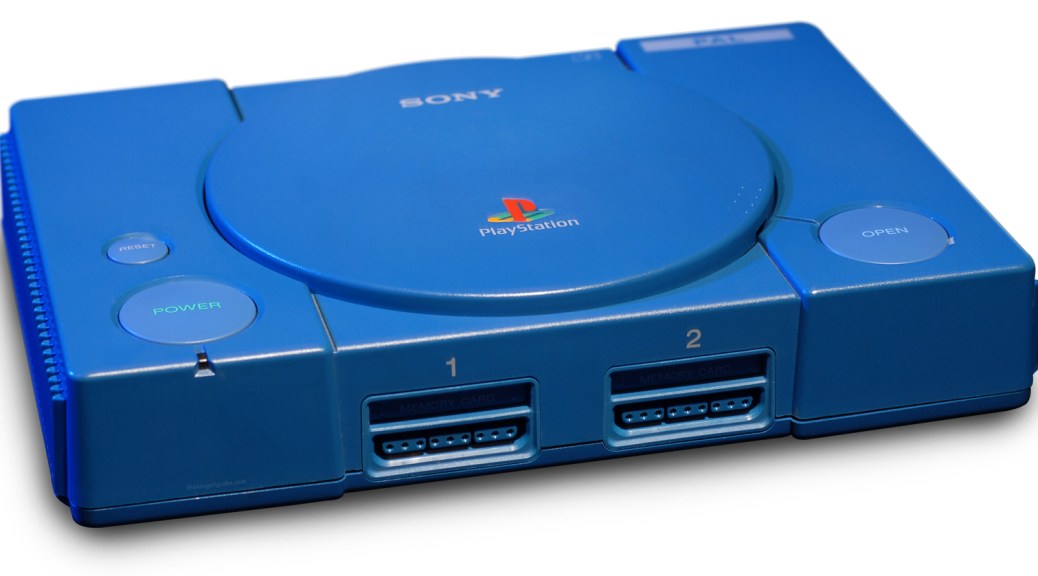
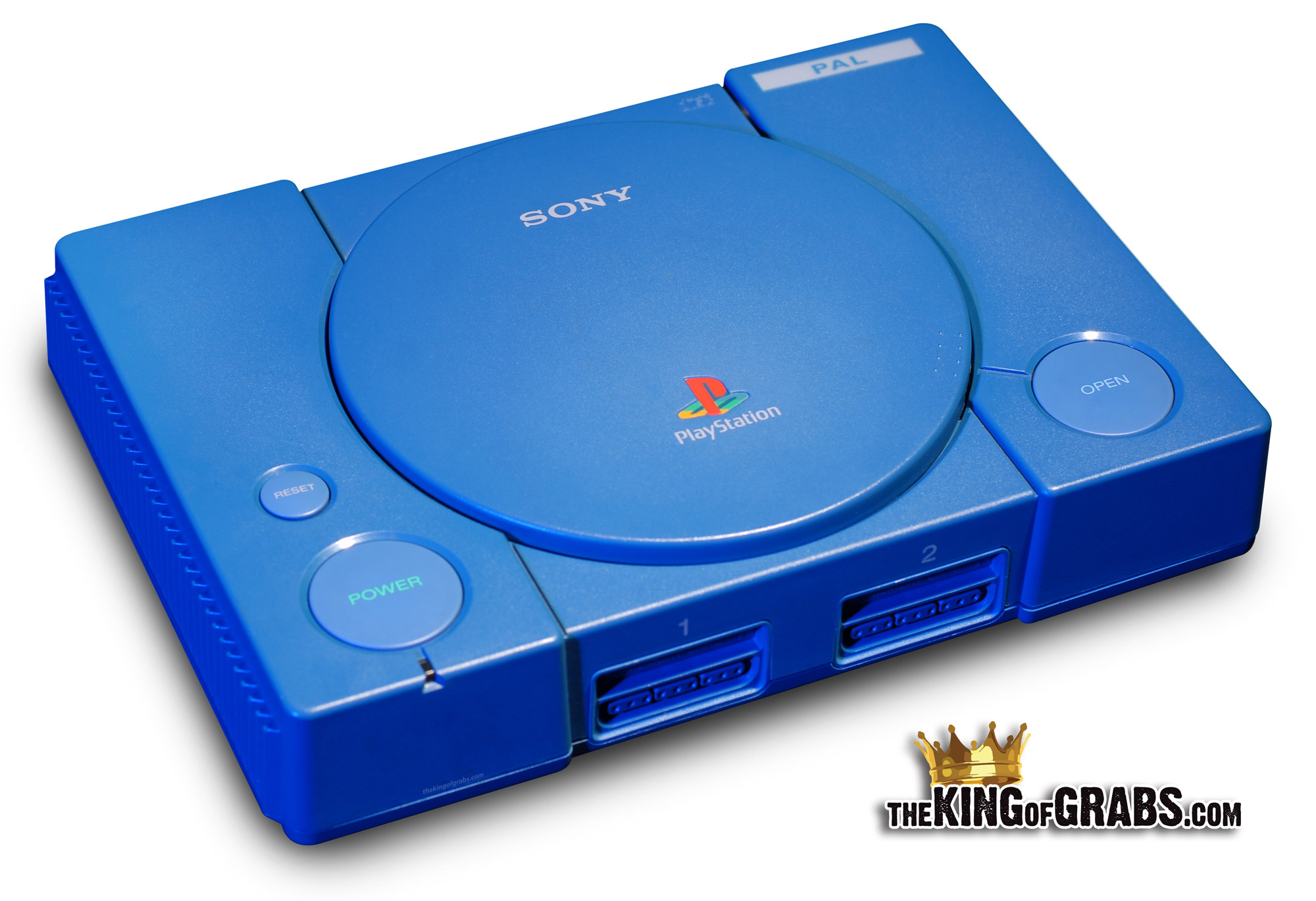
Oh, and if you’re wondering what the blue PlayStation is: that is a development PlayStation – used by developers to create and test the games themselves. The photos are of my very own console, taken by myself, specifically for this blog.
Here’s a full list of what was published:
Rapid Reload
Kula World
No One Can Stop Mr. Domino!
Ganbare Goemon: Uchuu Kaizoku Akogingu
Devil Dice
Revelations: Persona
Ultima Underworld: The Stygian Abyss
Pepsiman
Metal Gear Solid
Ridge Racer
Croc: Legend of the Gobbos
Strider 2
Jumping Flash!
Vib-Ribbon
Enjoy,
The King of Grabs
More: Sony PlayStation on Wikipedia


Atari Lynx Special
The Atari Lynx is a handheld console that was developed by Epyx and manufactured by Atari Corporation from 1989 to 1995, and it features a wide variety of colourful and playable games available in cartridge format.
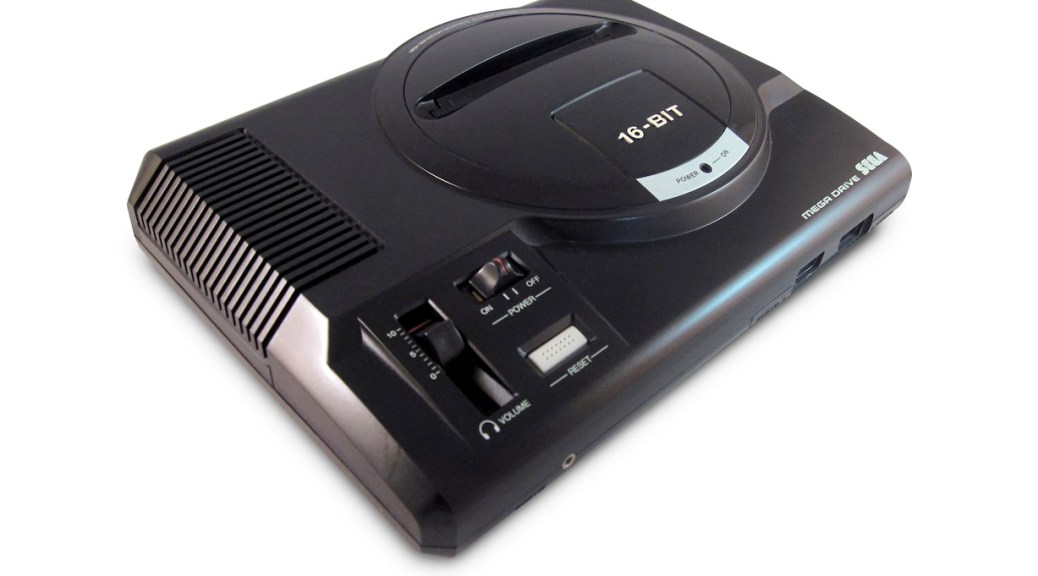
Sega Megadrive/Genesis Special
Known as the Megadrive in Japan and Europe, and the Genesis in North America, this was Sega‘s fourth generation home video games console and it was launched in 1988 in Japan (1989 in North America and 1990 in Europe).

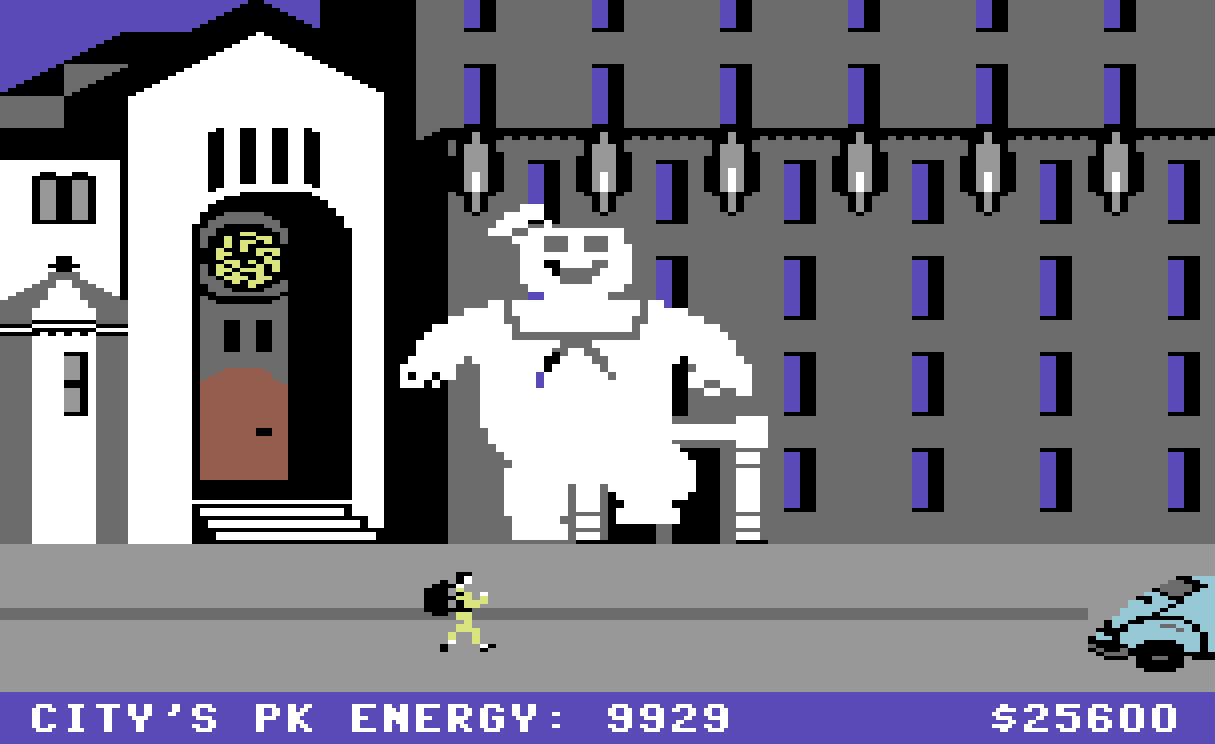
Ghostbusters Special
The classic comedy horror film, Ghostbusters, was made into a video game by David Crane and published by Activision in 1984. The Commodore 64 version being the first – and arguably the best – version of this simple yet involving game. Many different conversions of Ghostbusters followed, and we’ve covered all of them on this website.
Here’s a list of all the different versions of Ghostbusters on thekingofgrabs.com. Listed in chronological order of release…
Ghostbusters, Apple II (1984)
Ghostbusters, Atari 8-bit (1984)
Ghostbusters, Commodore 64 (1984)
Ghostbusters, ZX Spectrum (1984)
Ghostbusters, Amstrad CPC (1985)
Ghostbusters, Atari 2600 (1985)
Ghostbusters, MSX (1985)
Ghostbusters, NES/Famicom (1986)
Ghostbusters, PC (1986)
Ghostbusters, Sega Master System (1987)
Enjoy,
The King of Grabs
More: Ghostbusters on Wikipedia

Arcade Special
The video game arcades of the 1970s, ’80s and ’90s were very special places. They were where the majority of innovation was taking place in the video games industry, and over those three decades countless classic video games were released into these dingy, constantly noisy places for friends to crowd around and play. Video game arcades were social places where all kinds of different people hung out.

Neo Geo Special
The Neo Geo is a high-end Japanese video games system, designed for use in both arcades, and at home. It was developed by SNK and first launched in 1990.

Game Boy Advance Special
The Nintendo Game Boy Advance is a 32-bit handheld video game console that was first launched in 2001 and went on to become a best-seller. Ultimately selling over 80 million physical units worldwide, until its discontinuation in 2010.

Sony PSP Special
This week I’ve decided to focus on games for the PlayStation Portable (PSP) – the handheld video game console from Sony that really pushed the envelope in terms of graphical capabilities. It first came out in 2004 in Japan and 2005 everywhere else.
 The King of Grabs