
This 2019 Commodore 64 homebrew conversion of the classic Knight Lore is arguably even better than the brilliant ZX Spectrum original. Spectrum owners will not want to hear that, but – being objective – this port does make the game more enjoyable to play. I also managed to get further into the game than I ever managed on the Spectrum, although I did use quick saves (but no cheats).
Tag Archives: platform game

Underwurlde, Commodore 64
The Commodore 64 version of Ultimate‘s classic Underwurlde was developed by Softstone and published by Firebird in 1985. It is a faithful recreation of the Spectrum original.
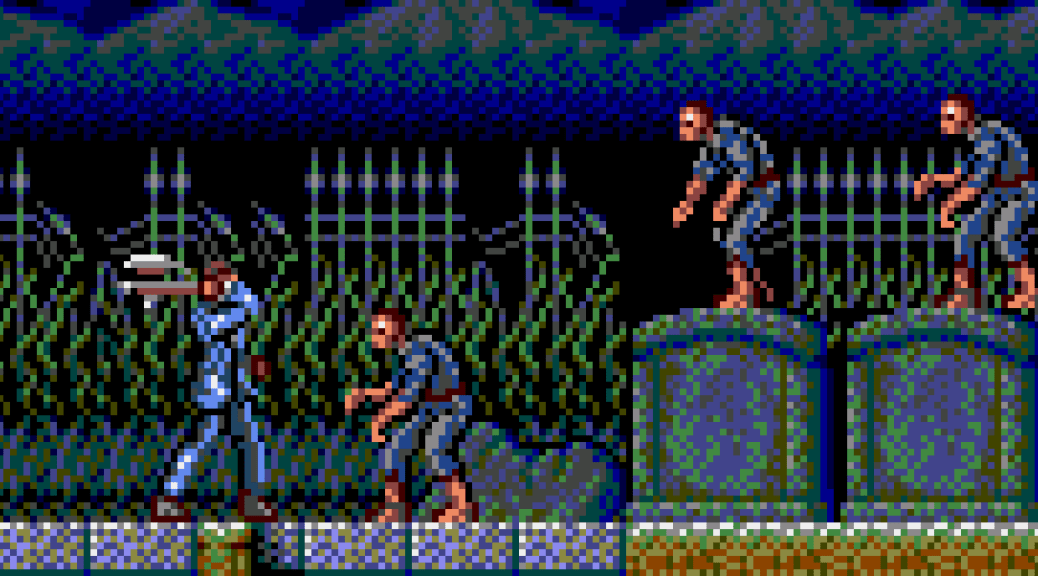
Vampire: Master of Darkness, Game Gear
Let’s not beat around the bush: Vampire: Master of Darkness is a blatant rip-off of Castlevania, but it’s a good one. It was developed by SIMS Co., Ltd. and published by Sega for the Master System and Game Gear in 1992.
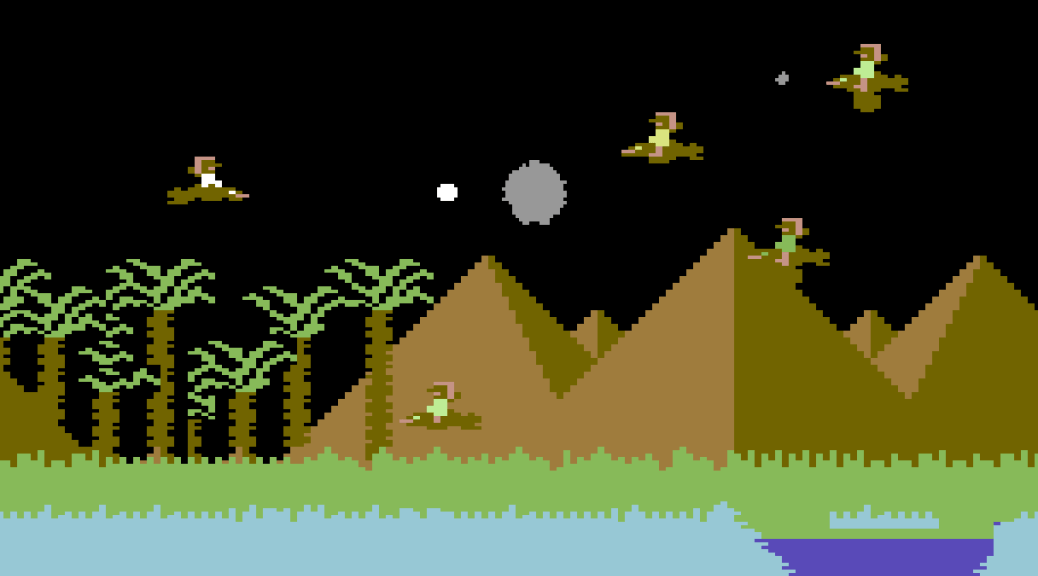
Imhotep, Commodore 64
Written by Manuel Caballero, Imhotep is a 1985 Commodore 64 release from Ultimate Play the Game. It’s an ancient Egyptian-themed, auto-scrolling shoot ’em up where you ride on the back of a bird, over pyramids and palm trees, shooting stuff and avoiding enemy bullets.
If you manage to get further into the game you’ll also encounter underground platforming levels; walking levels where you either have to jump over pits or throw rolling barrels into other barrels that are rolling towards you. There’s also a river section on a coracle.
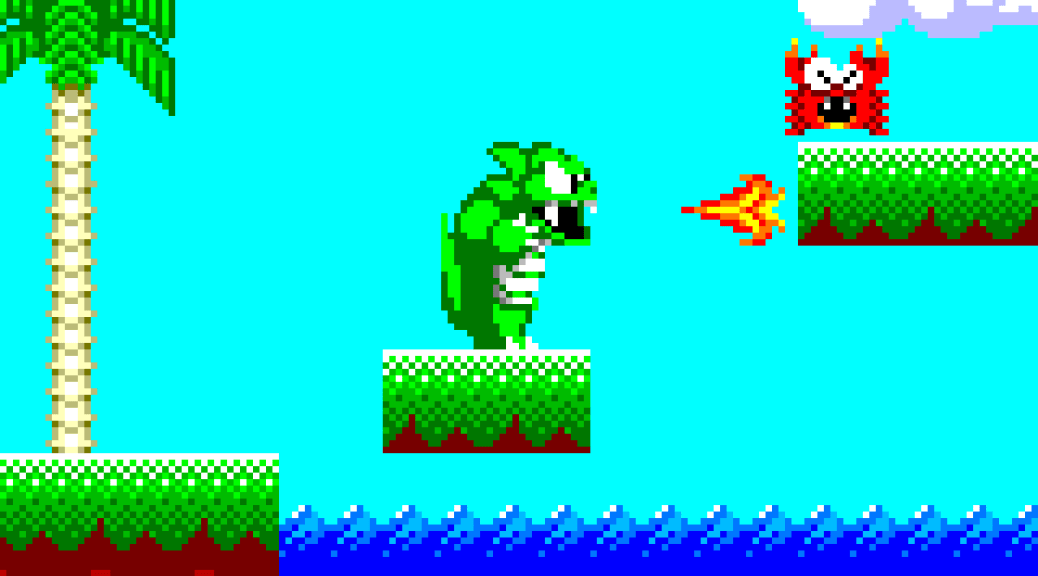
Wonder Boy III: The Dragon’s Trap, Game Gear
Wonder Boy III: The Dragon’s Trap is a platform action game developed by Westone and published by Sega in 1992. It is considered to be one of the best games on both the Master System and the Game Gear.
Continue reading Wonder Boy III: The Dragon’s Trap, Game Gear
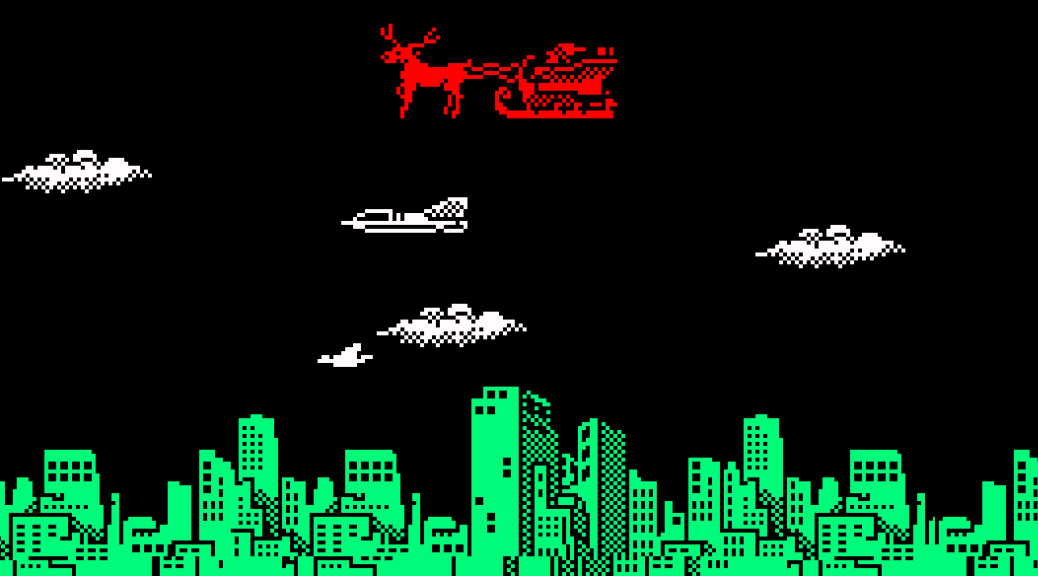
The Official Father Christmas Game, Amstrad CPC
A game not often mentioned in online ‘Christmas video game’ lists, The Official Father Christmas Game is one of the better Christmas-themed video games that I’ve found so far. It was developed by Enigma Variations and published by Alternative Software for the Amstrad, Spectrum and C64 in 1989. All proceeds from the game went to the famous children’s charity, Save The Children.
Continue reading The Official Father Christmas Game, Amstrad CPC
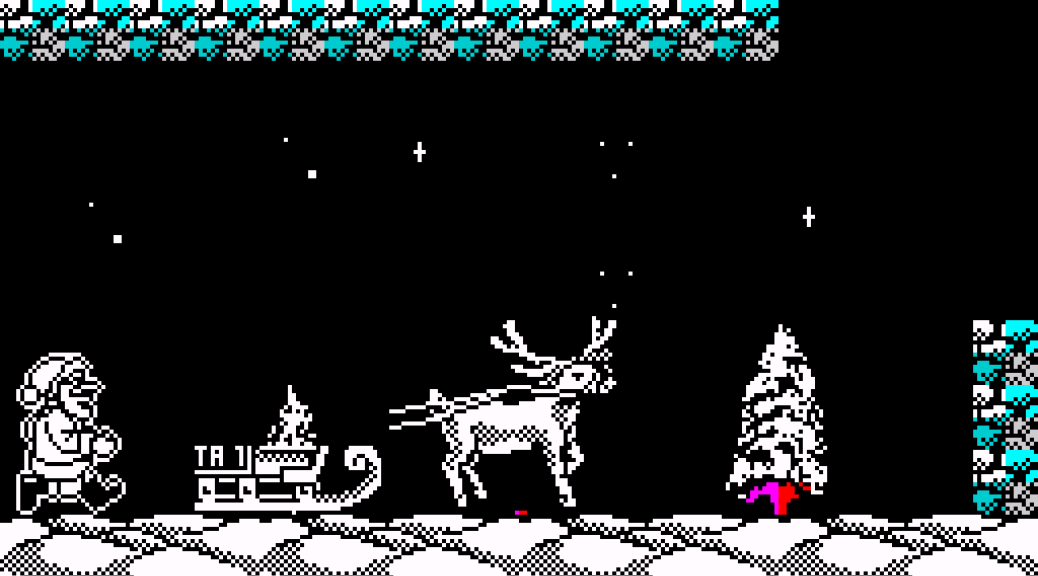
The Official Father Christmas Game, ZX Spectrum
Although you may laugh at the title of this Christmas-themed game, it’s not called that because the publisher (Alternative Software) went to Lapland to buy an official license from Santa… It’s called that because it is an official tie-in with the famous children’s charity, Save The Children. The game was sold (for a reasonable £2.99, for the Spectrum, Amstrad and C64) in 1989 and all profits went to Save The Children.
Continue reading The Official Father Christmas Game, ZX Spectrum
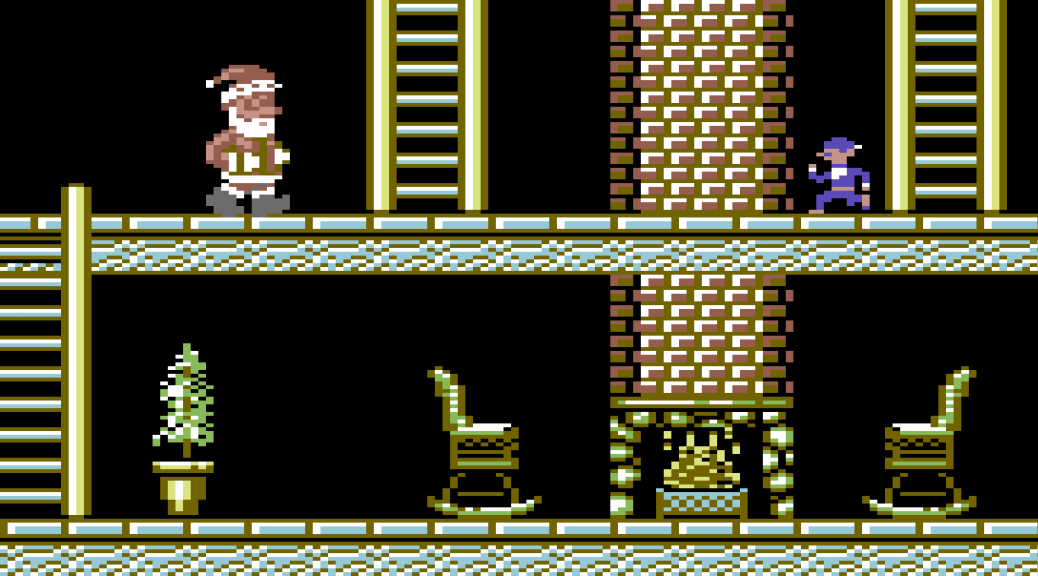
The Official Father Christmas Game, Commodore 64
Created in association with Save The Children, The Official Father Christmas Game was developed by Enigma Variations and published by Alternative Software for the C64, Spectrum and Amstrad in 1989. Profits from the game went to the aforementioned children’s charity.
Continue reading The Official Father Christmas Game, Commodore 64
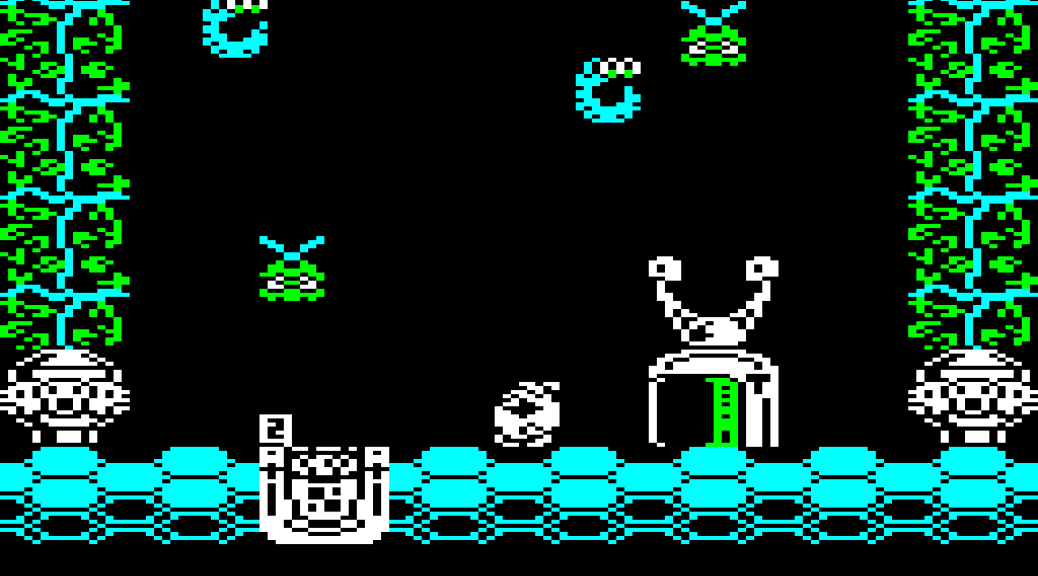
Starquake, BBC Micro
Steve Crow‘s classic Spectrum game, Starquake, was converted to the BBC Micro by Kenton Price and published by Bubble Bus in 1987.
Graphically, the game is rather chunky because it uses a low-resolution screen mode (presumably so that more colours can be used on-screen at the same time), but the gameplay is mostly the same as the original.

Golvellius: Valley of Doom, Sega Master System
Developed by Compile and originally released for the MSX in 1987 Golvellius was converted to the Master System by Sega in 1988. It is an action RPG with overhead, flick-screen exploration, Zelda-like sword-based combat and scrolling sections through caves.
Continue reading Golvellius: Valley of Doom, Sega Master System

