
The Amstrad CPC version of Ghosts ‘N Goblins was developed and published by Elite Systems in 1986, and it looks pretty rough, and seems to be missing a good chunk of the original game.
Category Archives: Elite Systems

Ghosts ‘N Goblins, Amiga
It has to be said that the Amiga port of Capcom‘s classic Ghosts ‘N Goblins is a damn sight better than the Atari ST version, or any of the other conversions from the 16-bit era. It was developed and published by Elite Systems in 1990 and is as close to the arcade parent as is possible on the Amiga.

Ghosts ‘N Goblins, Atari ST
The Atari ST version of Ghosts ‘N Goblins was programmed by Michael Delves, with graphics by Zippo Games, and was published by Elite Systems in 1990. It is a somewhat ‘funky’ port, with cartoony graphics and gameplay that is easier than the arcade parent.

Ghosts ‘N Goblins, ZX Spectrum
The ZX Spectrum version of Capcom‘s arcade classic, Ghosts ‘N Goblins, was first released by Elite Systems in 1986.
There is some confusion about who programmed the game. The title screen says that it was coded by Keith Burkhill, yet some sources say that Nigel Alderton programmed it. It could be that both worked on the game, but it’s not entirely clear…

Commando, BBC Micro
Unfortunately the BBC Micro version of Elite‘s conversion of Commando is an absolute travesty, with terrible graphics and horrible gameplay and the only thing it has in common with the arcade original is the name of the game and the basic scenario.

Commando, Amstrad CPC
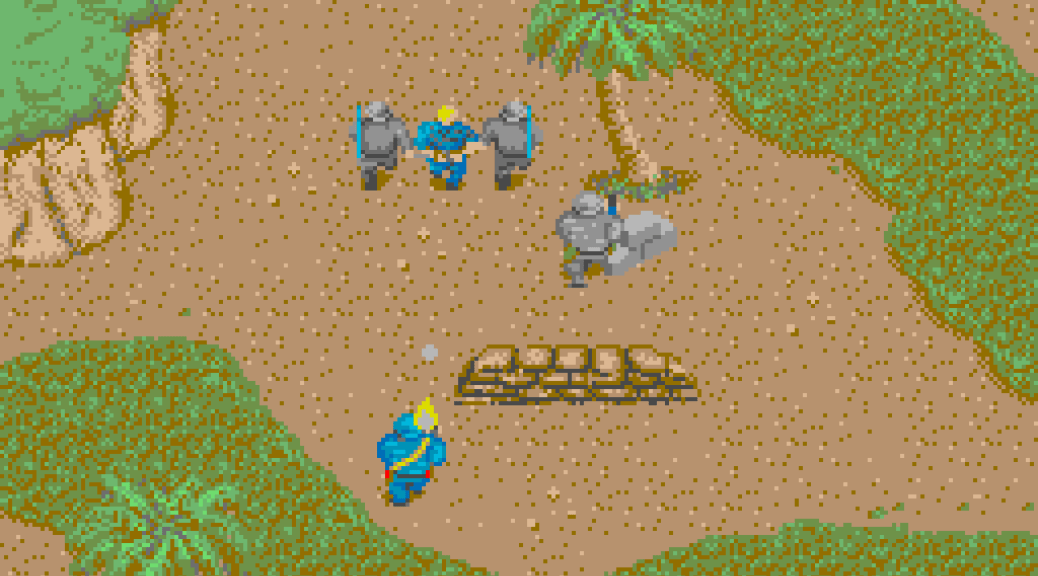
The Amstrad CPC version of Commando – published by Elite Systems in 1986 – is easy to write off, due to its chunky graphics and mostly featureless backgrounds, but it’s actually one of the better 8-bit conversions.
Commando, Atari ST
The Atari ST and Amiga conversions of Commando are more or less identical and play pretty much the same, because they were both developed by the same group of people, for publisher Elite Systems, and released in 1989.
Commando, Amiga
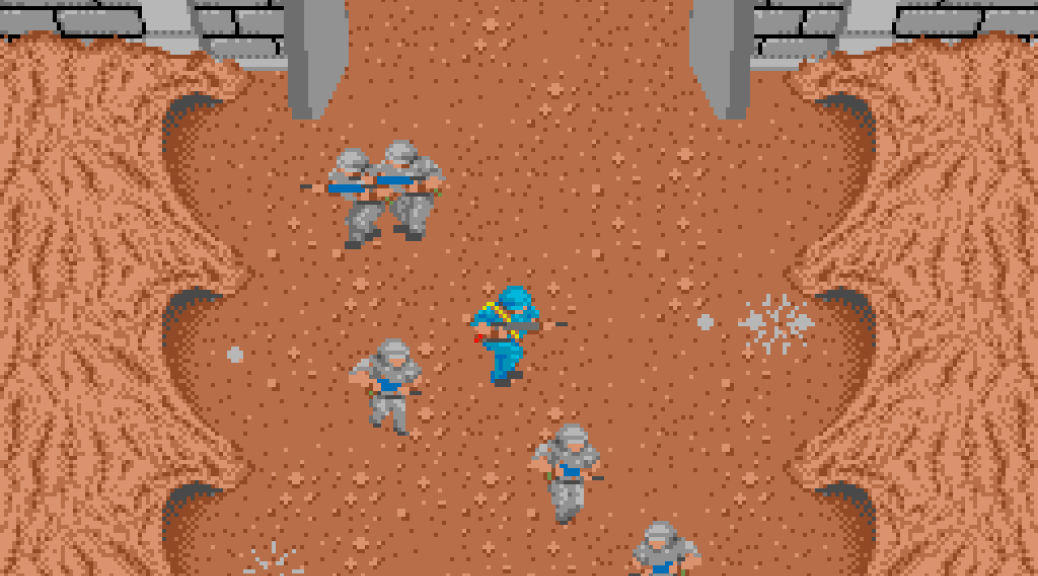
The 1989 Amiga version of Capcom‘s classic Commando was ported and published by Elite Systems, and it’s not too bad, although it’s definitely not perfect.
Paperboy, Amiga
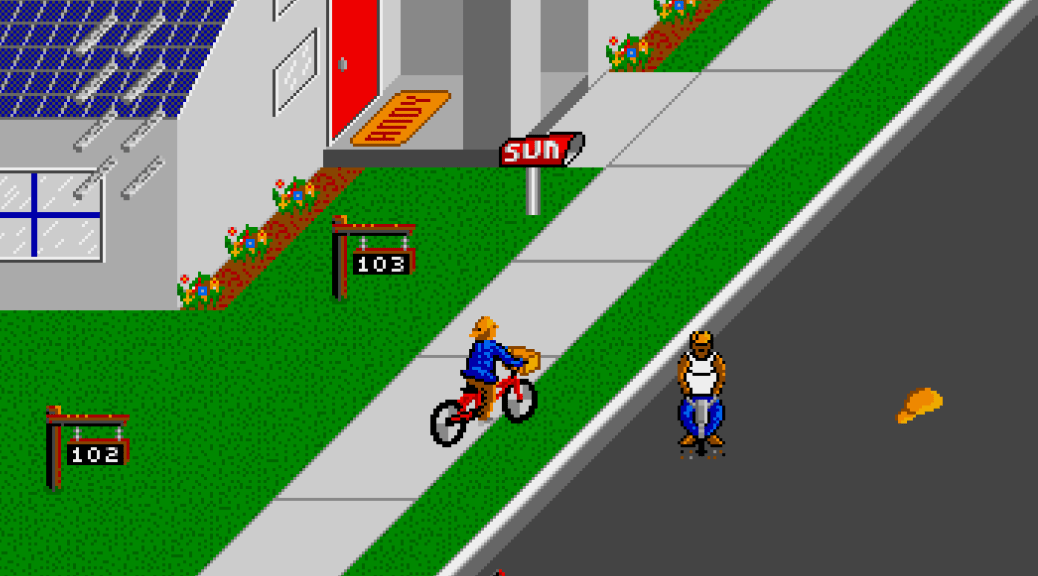
The 1989 Amiga conversion of Paperboy is better than the Atari ST version of the game, in my humble opinion. The main reason being that it uses most of the screen and thus gives the game a more authentic feel.

Paperboy, Atari ST
The 1989 Atari ST conversion of Paperboy is playable, but is less than adequate in terms of authenticity and longevity, in my humble opinion.
 The King of Grabs