
Bubbler is an isometric action game that was published in 1987 under the Ultimate Play the Game banner, but in reality is a US Gold game that wasn’t developed by the original Ultimate team. And it is an insanely difficult, but playable, game.
Tag Archives: Ultimate Play The Game
Legendary British video game developer, founded in 1982 by Tim and Chris Stamper. Was responsible for a number of innovative and successful video game releases throughout the 1980s.

Pentagram, Commodore 64
Ultimate Play the Game‘s isometric platform adventure, Pentagram, was never officially released for the Commodore 64, so fans took it upon themselves to convert it themselves, some thirty years after its original release. This port was released in 2017 by Rod & Emu.
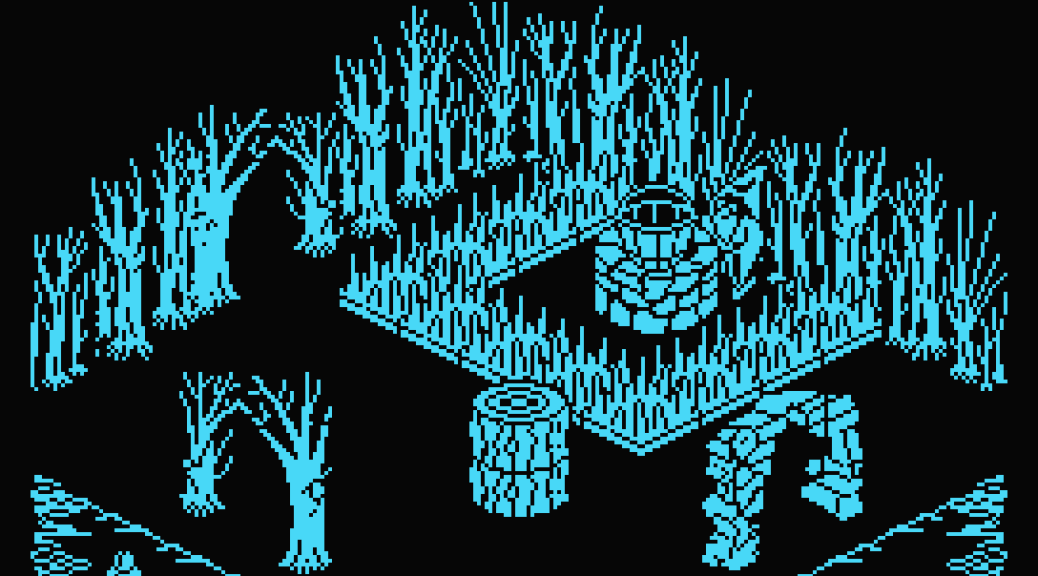
Pentagram, MSX
Pentagram was released for the MSX in 1986, and it’s not really an Ultimate game, in truth, because it wasn’t written by the original Ultimate team; it’s a US Gold game. It’s not a bad game, though, even though it doesn’t have the flair or humour of an authentic Ultimate game.
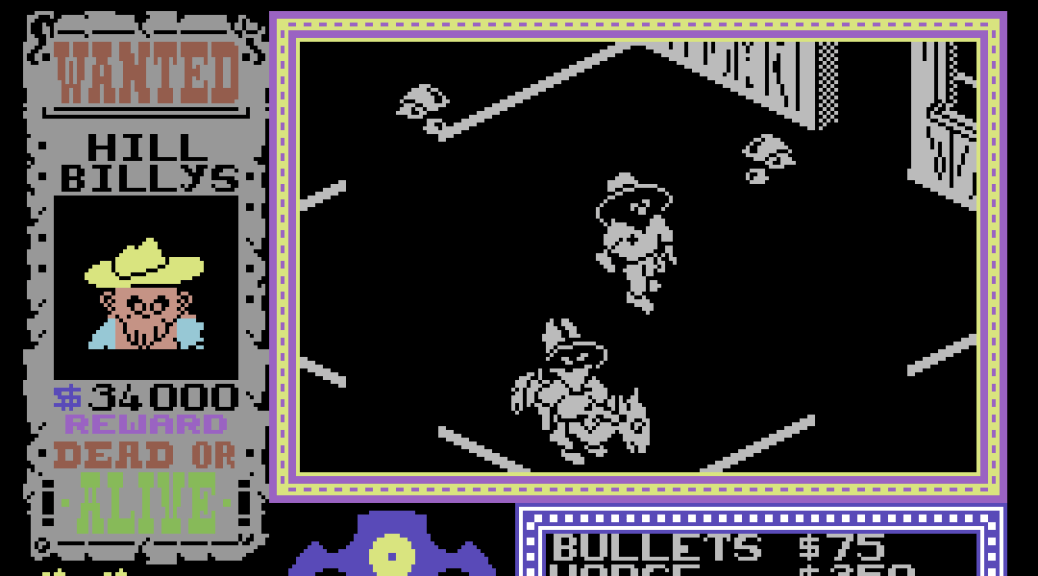
Gunfright, Commodore 64
This C64 homebrew conversion of Ultimate‘s 1986 ZX Spectrum hit Gunfright was developed by Rod & Emu and released in 2017, and it’s another decent modern port of a thirty year-old game.

Gunfright, MSX
The MSX version of Ultimate Play the Game‘s Gunfright is identical to the Spectrum original, except for the lack of a loading screen. It was initially released in 1986.

Gunfright, Amstrad CPC
The Amstrad CPC received a conversion of Ultimate Play the Game‘s Filmation II game Gunfright in 1986 and it unfortunately suffers from the same problems that the previous Amstrad Filmation II conversion (Nightshade) did, namely: colour issues and slowdown problems.
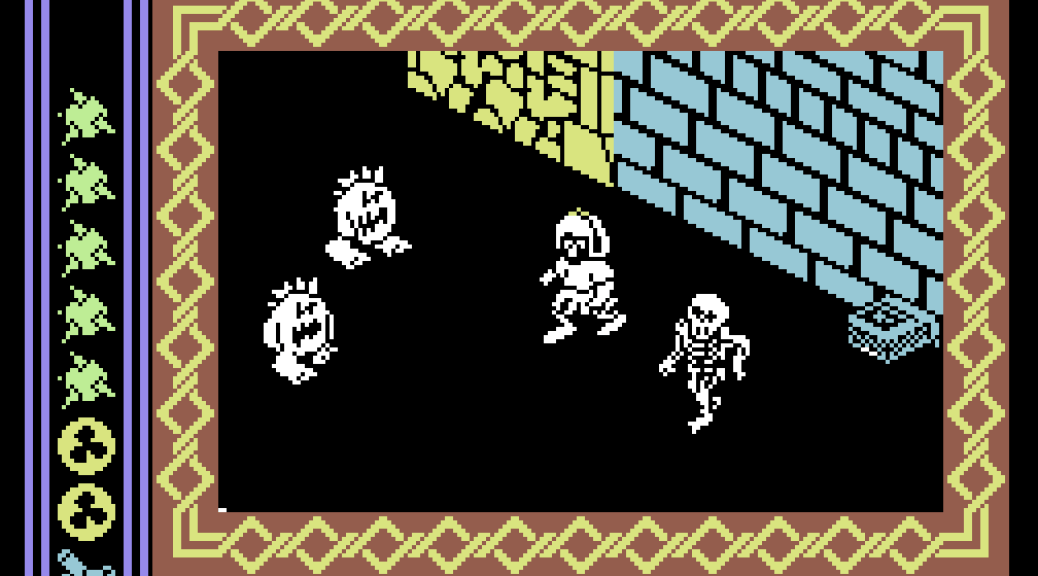
Nightshade, Commodore 64
The Commodore 64 conversion of Nightshade was coded by Shahid Ahmad and published by Firebird in 1986. It is a reasonable, if slower, version of the original game from Ultimate. What is more interesting, though, is the enhanced version, released by Nostalgia in 2016.

Nightshade, MSX
The MSX conversion of Nightshade was first published by Ultimate Play the Game in 1985. It is identical to the original Spectrum version, barring a few small differences.
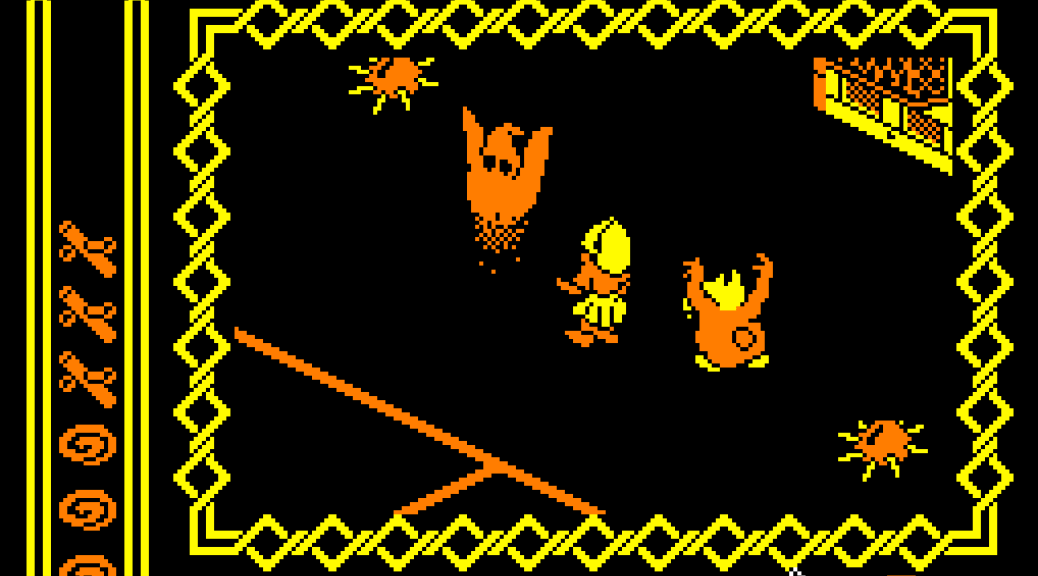
Nightshade, Amstrad CPC
The Amstrad CPC conversion of Ultimate‘s Nightshade was first released in 1985. While it does benefit from some extra colours in the sprites and backgrounds, it does lack colour overall. Unlike the Spectrum original the buildings are not colour-coded, and the player character (a unnamed knight) doesn’t change colour depending on his infection level, which is slightly disappointing. The Amstrad version does look a bit weird, in terms of its use of colour. Filmation games usually look better on the Amstrad, but not in this case; it looks a bit jaundiced with its dominant yellow and orange colour scheme.
Nightshade, BBC Micro
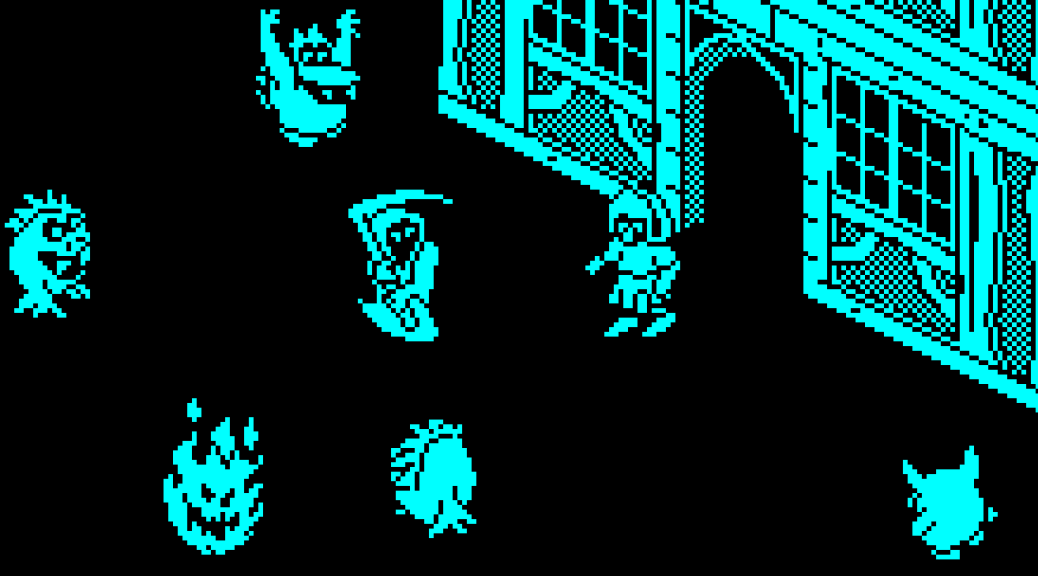
The BBC version of Ultimate‘s classic Nightshade is very good. It runs pretty quickly (most of the time) and the controls are responsive, which is all you can hope for in the game like this.
 The King of Grabs