
The FM Towns version of Marble Madness is pretty damn special. Not only does it have a unique symphonic rendition of the game’s famous soundtrack, but it also has a Time Trial mode, and you can also choose the colour of your marble! It was only ever released in Japan, and – like the excellent X68000 version – it was ported by Tengen and published by Home Data Corporation in 1991.
Tag Archives: isometric
Marble Madness, Game Boy Advance
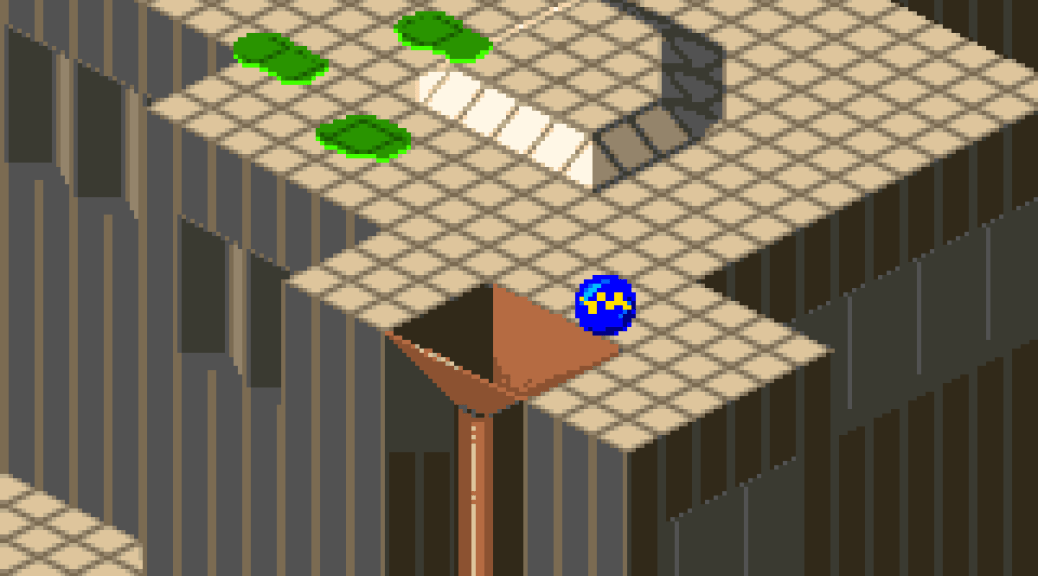
The Game Boy Advance conversion of Marble Madness was released as part of a double pack with another classic Atari Games arcade game, Klax, in 2005 by DSI Games. It was developed by Italian Frame Studios Interactive, and the truth be told: they did a utterly dismal job of porting the game to Nintendo‘s capable handheld.
Marble Madness, Apple IIgs
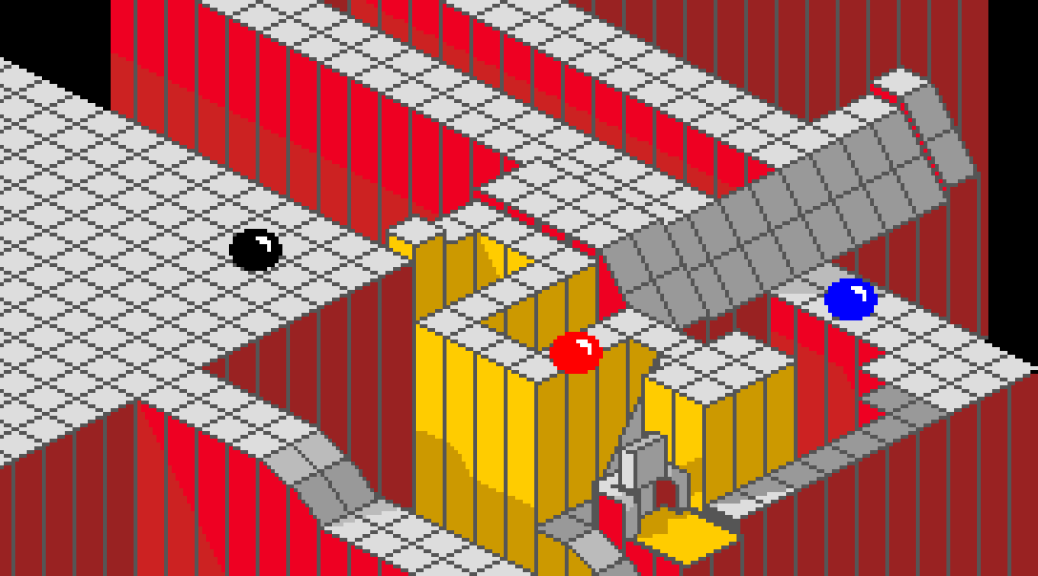
The Apple IIgs port of Marble Madness was coded by Will Harvey of Sandcastle for Electronic Arts and was first published in 1988.
Marble Madness: Deluxe Edition, Amstrad CPC
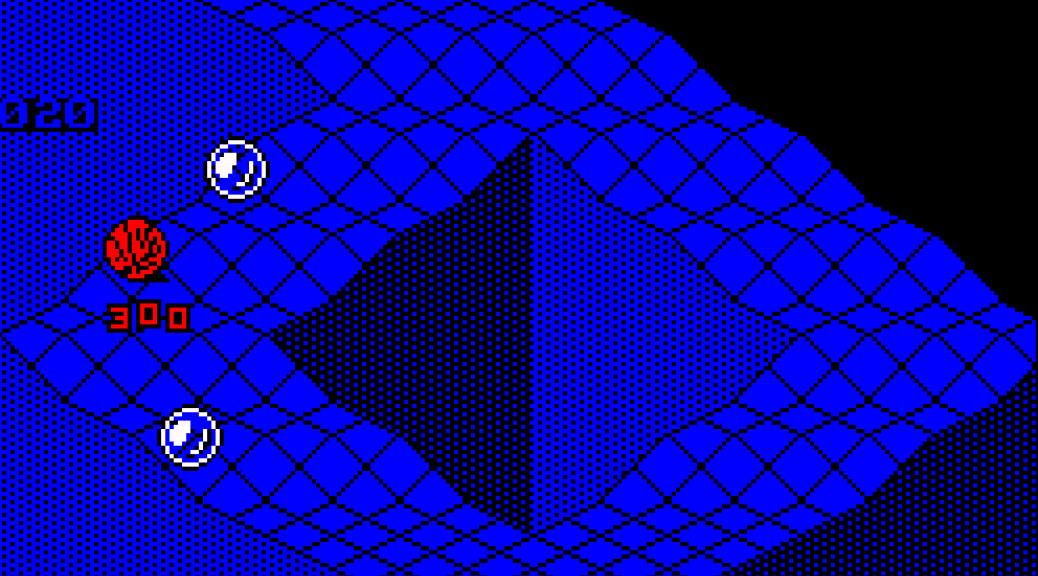
The ‘Deluxe Edition‘ of Marble Madness was released the same year as ‘The Construction Set‘ edition and it contains a new set of screens to play through, plus the Construction Set editor, and the ten screens from the earlier release. It’s still complete and utter garbage, though…
Continue reading Marble Madness: Deluxe Edition, Amstrad CPC

Marble Madness: The Construction Set, Amstrad CPC
The Amstrad CPC version of Melbourne House‘s 1986 release of Marble Madness is more or less identical to the ZX Spectrum version, but with a bit more colour. It was coded by the same author – John F. Cain – and suffers from the same problems as the Spectrum version.
Continue reading Marble Madness: The Construction Set, Amstrad CPC
Marble Madness: Deluxe Edition, ZX Spectrum
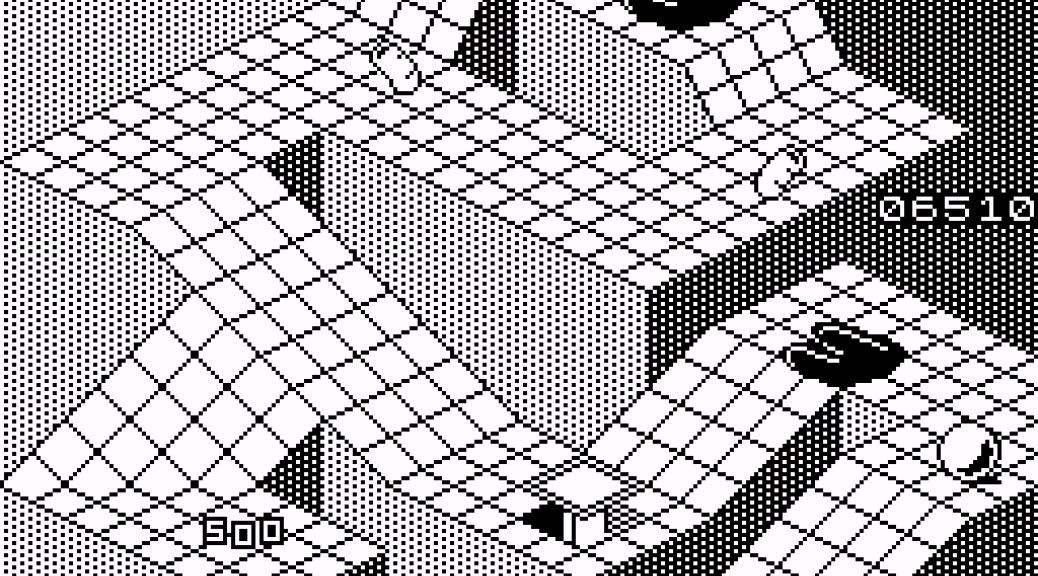
The ‘Deluxe Edition‘ of Marble Madness on the Spectrum was again written by John F. Cain and published by Melbourne House in 1986, and it contains a new set of screens to play, as well as the ten screens from the previous release, plus the Construction Set editor, as a separate load on side ‘B’ of the cassette.
Continue reading Marble Madness: Deluxe Edition, ZX Spectrum

Marble Madness: The Construction Set, ZX Spectrum
Written by John F. Cain (who also made Booty, Moonlight Madness and Super Dragon Slayer on the Spectrum), and published by Melbourne House in 1986, the ‘official’ Marble Madness on the ZX Spectrum bears little resemblance to the classic arcade original.
Continue reading Marble Madness: The Construction Set, ZX Spectrum
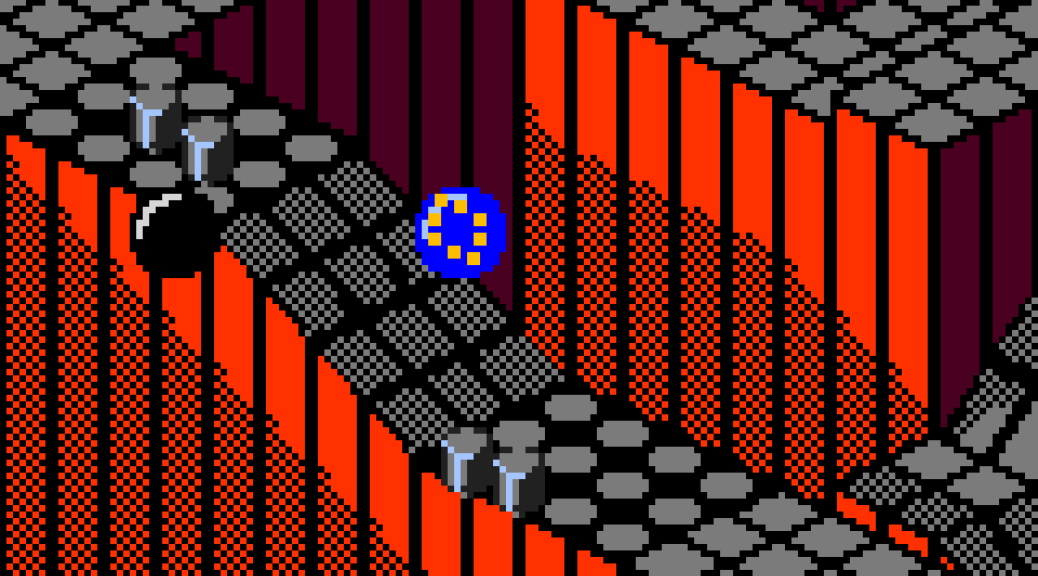
Marble Madness, Game Boy Color
The Game Boy Color version of Marble Madness was developed by Digital Eclipse and published by Midway in 1999. It’s an okay port, but it does have a few flaws…
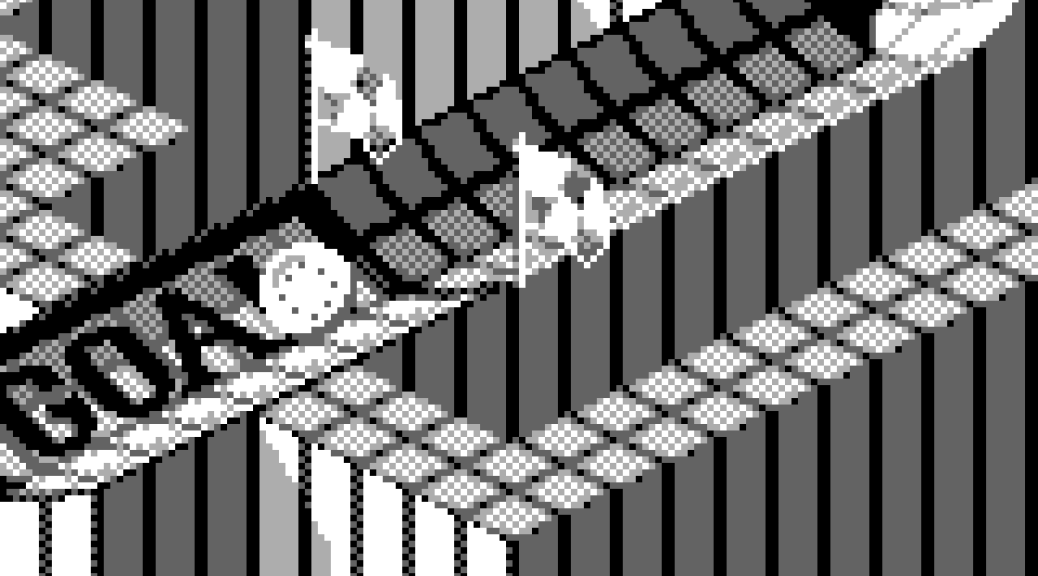
Marble Madness, Game Boy
The original black and white Game Boy version of the classic Marble Madness was published by Mindscape in 1991. I’m not a hundred percent sure who developed it, but it could be Tengen as they are mentioned in the copyright small print on the back of the box and on the title screen.

Marble Madness, Atari ST
The Atari ST version of Marble Madness was converted by Will Harvey (who also programmed the C64 and Apple II versions – among others), and Jim Nitchals, and was published by Electronic Arts in 1987. It is very similar to the 8-bit ports Harvey produced, rather than the more authentic Amiga version (that he didn’t).

